Maersk
November 05, 2025
🚢 Maersk: The Backbone of Global Trade—The Story of an Integrated Logistics Giant
Introduction: The Connector of Worlds
The last international product you used likely crossed an ocean in a container belonging to A.P. Møller – Mærsk A/S (Maersk). This Copenhagen-based Danish company is more than just a container shipping line; it is a Global Integrated Logistics Provider that seamlessly connects our modern world by moving goods across sea, land, and air.
1. A Century of Heritage: The A.P. Møller Dream
Maersk's journey began in 1904 in Svendborg, a small town in Denmark. Captain Peter Mærsk Møller and his son, Arnold Peter Møller, co-founded a shipping company initially named 'Dampskibsselskabet Svendborg.'
The Early Years (1904): Starting with tramp shipping, the visionary leadership of A.P. Møller quickly helped the company expand.
The Container Revolution (1975): Maersk changed the course of history when they fully embraced containerized services. Containerization was one of the biggest revolutions in the shipping industry, making cargo transport faster, safer, and highly economical.
2. The Global Integrator: Beyond Just Sailing
Today's Maersk does not just carry containers on ships. Their strategic goal is to be the "Global Integrator." This means:
End-to-End Logistics: In addition to sea freight, Maersk now provides services across land (trucks, trains), air freight, and offers warehousing and distribution services. They simplify and connect the customer's supply chain from the beginning to the very end.
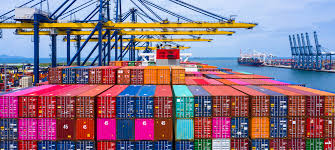
Terminal Operations (APM Terminals): APM Terminals, a subsidiary of Maersk, operates over 54 ports and terminals in more than 29 countries globally, ensuring fast loading and unloading processes.
Digitalization: They are heavily investing in technology to make the supply chain process more transparent and efficient. Maersk's platforms allow customers to easily handle booking, tracking, and documentation.
3. The Commitment to Sustainability: Maersk on a Green Path
As one of the world's largest shipping companies, Maersk is taking a significant role in tackling the challenge of climate change.
Net Zero Target: They have an ambitious goal to achieve Net Zero carbon emissions across their entire business by 2040.
Green Vessels: Maersk has launched the world’s first container ships powered by green methanol, aiming to reduce reliance on fossil fuels. This move leads the way in making the global shipping industry more environmentally friendly.
4. Maersk by the Numbers
Here are a few facts to understand the scale and impact of this logistics giant:
Employees: Over 100,000 employees worldwide.
Fleet: Operates a fleet of over 700 container vessels.
Services: Maintains offices and services in more than 130 countries globally.
Back to Blog
Introduction: The Connector of Worlds
The last international product you used likely crossed an ocean in a container belonging to A.P. Møller – Mærsk A/S (Maersk). This Copenhagen-based Danish company is more than just a container shipping line; it is a Global Integrated Logistics Provider that seamlessly connects our modern world by moving goods across sea, land, and air.
1. A Century of Heritage: The A.P. Møller Dream
Maersk's journey began in 1904 in Svendborg, a small town in Denmark. Captain Peter Mærsk Møller and his son, Arnold Peter Møller, co-founded a shipping company initially named 'Dampskibsselskabet Svendborg.'
The Early Years (1904): Starting with tramp shipping, the visionary leadership of A.P. Møller quickly helped the company expand.
The Container Revolution (1975): Maersk changed the course of history when they fully embraced containerized services. Containerization was one of the biggest revolutions in the shipping industry, making cargo transport faster, safer, and highly economical.
2. The Global Integrator: Beyond Just Sailing
Today's Maersk does not just carry containers on ships. Their strategic goal is to be the "Global Integrator." This means:
End-to-End Logistics: In addition to sea freight, Maersk now provides services across land (trucks, trains), air freight, and offers warehousing and distribution services. They simplify and connect the customer's supply chain from the beginning to the very end.
Terminal Operations (APM Terminals): APM Terminals, a subsidiary of Maersk, operates over 54 ports and terminals in more than 29 countries globally, ensuring fast loading and unloading processes.
Digitalization: They are heavily investing in technology to make the supply chain process more transparent and efficient. Maersk's platforms allow customers to easily handle booking, tracking, and documentation.
3. The Commitment to Sustainability: Maersk on a Green Path
As one of the world's largest shipping companies, Maersk is taking a significant role in tackling the challenge of climate change.
Net Zero Target: They have an ambitious goal to achieve Net Zero carbon emissions across their entire business by 2040.
Green Vessels: Maersk has launched the world’s first container ships powered by green methanol, aiming to reduce reliance on fossil fuels. This move leads the way in making the global shipping industry more environmentally friendly.
4. Maersk by the Numbers
Here are a few facts to understand the scale and impact of this logistics giant:
Employees: Over 100,000 employees worldwide.
Fleet: Operates a fleet of over 700 container vessels.
Services: Maintains offices and services in more than 130 countries globally.